

My Article Contribution – EMDR Therapy for Treating Trauma
Hello there! I’d like to take you on a journey through my personal adventure into the world of trauma therapy. My journey into trauma therapy had begun some years earlier. Contributing to a Trauma Network for Children (TNC) Quick Bytes article about ‘EMDR Therapy for Helping with Trauma’ gave me an opportunity to share this journey with others. This article allowed me to share my passion and knowledge about a therapy that has become a vital part of my work.
The Beginning
Back in 2017, my journey officially began when I joined TNC. But the twist is that my initial motivation to dive into the world of trauma therapy was quite unique. At the time, I worked as a school counsellor in a particularly challenging school. In this new environment, I encountered students who had faced complex family issues and traumatic experiences.
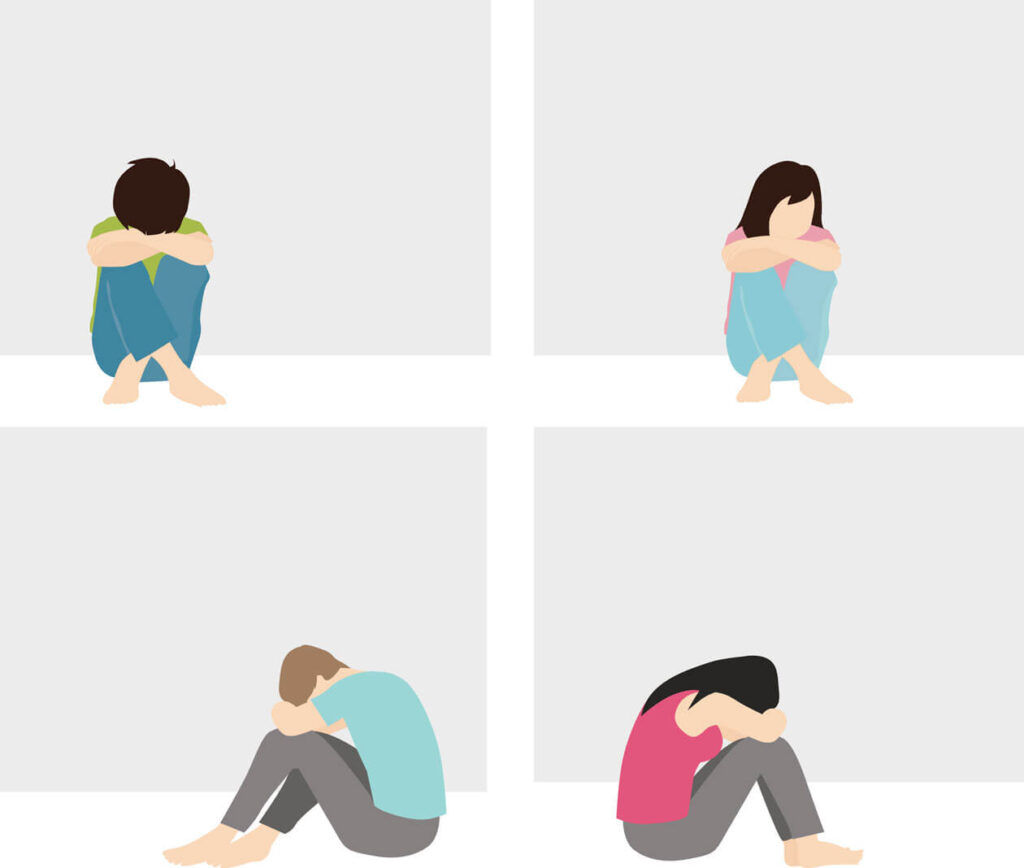
These young souls carried heavy burdens, and I was determined to support them in the best way I could. This was when I decided to take up Trauma-focused Cognitive Behavioural Therapy (TF-CBT). It was my way of looking at their needs from a different perspective and providing better support. I wanted to be a better advocate for them and help them heal.
This early phase was a crucial point in my journey. I began to understand the profound impact of trauma on these young minds. I also realised how important trauma-informed training was in providing the care and support they needed.
The Power of EMDR
Fast forward to 2020 – 2022, and my journey took a new turn. I decided to expand my horizons and move from working with students to working with adults who had experienced trauma. This shift in my focus allowed me to apply my growing knowledge and experience in a different context.
During this time, I achieved certification in Eye Movement Desensitization and Reprocessing (EMDR) therapy and became an EMDRIA Certified Therapist in December 2022. EMDR is an innovative approach that uses bilateral stimulation. It helps individuals process traumatic memories and find relief from their emotional pain. It’s a powerful tool that has become an important part of my work in trauma therapy.
However, there’s a more personal side to this part of my journey. Through my own experience with trauma therapy, I discovered a deep connection to my past. It was like uncovering a treasure chest of emotions, i.e. negative feelings like anxiety, grief, shame and resentment, that had been buried deep within me. This revelation fuels my determination to heal not only myself but also those I work with as a trauma therapist.
When Trauma Meets Attachment
As I continued my journey in trauma therapy, I began to see more clearly how closely trauma and attachment wounds can be connected.
When we think about trauma, we may naturally think about a particular event or experience that has left a deep emotional imprint. But sometimes, the wounds we carry are not only about what happened to us. They can also be about what was missing – the safety, connection, reassurance, or sense of being understood we needed while growing up.
Our early relationships can shape how we see ourselves and others, how we respond to closeness and conflict, and how we make sense of our emotions. These patterns can continue into adulthood, sometimes without us fully understanding where they came from.
This growing awareness led me to explore attachment-focused approaches alongside my trauma therapy work. I became particularly interested in the Developmental Needs Meeting Strategy (DNMS), developed by Shirley Jean Schmidt. It offers a way of working with unmet developmental needs and attachment wounds. I also explored Emotionally Focused Individual Therapy (EFIT), developed from Sue Johnson’s attachment-based work.
These approaches have broadened the way I think about trauma therapy and healing. For me, trauma therapy is not simply about processing a difficult memory and moving on. Sometimes, it is also about understanding the emotional and relational experiences that have shaped us. It can mean recognising old patterns and developing greater compassion and safety within ourselves.
This has been an important expansion in my own therapeutic journey. EMDR therapy remains an important part of my work, but I have come to appreciate that there is no single path to healing. Different people carry different wounds, and sometimes we need to look not only at the trauma itself, but also at the attachment experiences surrounding it. The more I learn, the more I realise how much there is still to learn.
The Joy of Learning
A commitment to constant learning has enriched my journey. I’ve learned from experienced trauma therapists like Bessel van der Kolk (MD), Janina Fisher (PhD), Frank Anderson (MD), Laurel Parnell (PhD), and many more. These experts have been invaluable in my journey. But, there’s another crucial element in this chapter – the experienced consultants who selflessly shared their knowledge and provided guidance in my casework.
These consultants have been like guiding stars, helping me navigate the complex world of trauma therapy. Their willingness to share their wisdom and insights has been a great source of guidance, helping me support my clients and continue growing in my work.
Along the way, I’ve discovered many wonderful resources that have enriched my understanding and given me new perspectives on trauma therapy. Workshops, seminars, conferences, books and conversations with fellow therapists have all become part of this ongoing journey of learning. Each has given me something new to think about, reflect on, and bring into my
The Ongoing Journey
As I move forward in my journey as a trauma therapist, a question often arises: “Has the word ‘trauma’ been overused?” It’s a thought worth exploring in a world where this term is sometimes thrown around without fully understanding its depth and personal impact.
However, I remain committed to the very first belief I learned back in 2017 – that “trauma is personal.” This means we should not be quick to tell someone whether they are traumatized. If someone tells me they are, I believe them wholeheartedly. Your experiences and feelings are valid, and I’m here to listen and understand your unique journey.
In a world where the word “trauma” is sometimes used casually, I aim to keep the personal nature of trauma at the core of my practice. I believe in the power of meaningful conversations. We can openly discuss our experiences and continue to learn about ourselves, step by step.
I’m feeling humble and excited as I continue this journey. Every client I meet has a unique story, and every experience continues to teach me something new. My work as a trauma therapist continues to evolve, and I’m grateful to still be learning along the way.
If you would like to continue following my reflections and learning journey, I invite you to subscribe to my monthly newsletter. As a little welcome gift, you can receive my free ebook, Setting Boundaries with Family (Without Fear and Guilt!).
Through the newsletter, I’ll share reflections, insights and resources from time to time. I’ll continue exploring the many layers of trauma, attachment, healing and relationships.
You can receive the free ebook and subscribe to my monthly newsletter here.
Thank you for being part of this journey with me.
You are also always welcome to contact me to see if I might be able to support you as you journey forward.
Originally published in October 2023. Updated on August 10, 2026, to share how my journey in trauma therapy has continued to evolve, including my deeper exploration of trauma, attachment and healing.