
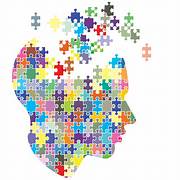
Childhood supposes to be joyful and carefree. However, for many individuals, it is marred by experiences of trauma that leave lasting wounds. Childhood trauma can take various forms, such as abuse, neglect, or the witnessing of violence. These experiences shatter a child’s sense of safety and well-being, turning their lives into fragmented puzzles waiting to be reconstructed.
In this blog, we will explore the metaphor of rebuilding a puzzle to understand the process of healing from childhood trauma. Just as scattered puzzle pieces can be reassembled to create a complete picture, individuals can reclaim their lives and rebuild their resilience after enduring childhood trauma.
By delving into the transformative power of resilience, we can uncover the strength within ourselves and inspire others to embark on their own journey of healing.
Fragmented Puzzle Pieces: Unraveling Childhood Trauma’s Impact
Imagine looking at a puzzle that has been smashed into many pieces. Each broken piece represents a part of your childhood trauma, distorting the picture of who you are. These shattered puzzle pieces symbolize how trauma can break us apart and make us feel disconnected from ourselves.
The effects of childhood trauma are far-reaching. Emotionally, it can cause fear, shame, grief and low self-esteem. Survivors may struggle with relationships and have difficulties with memory and concentration. Psychologically, trauma can lead to mental health conditions like depression, anxiety, and complex post-traumatic stress disorder. Physically, it can manifest as chronic pain and weakened immunity.
The impact of childhood trauma extends into adulthood, affecting education, career, and overall well-being. Trust issues and negative self-perception can hinder healthy connections and personal growth. Survivors may feel disconnected from their emotions and have self-destructive behaviors.
Understanding the profound impact of childhood trauma helps us empathize with survivors and support their healing journey. By acknowledging the broken pieces and offering care and therapy, survivors can rebuild their lives, celebrating their resilience and strength.
Identifying the Broken Pieces: The Science of the ACE Study
While the “broken puzzle” is a helpful way to visualize the feeling of trauma, researchers have developed a specific “map” to help us identify which pieces were affected. This is known as the ACE Study (Adverse Childhood Experiences).
In the late 1990s, a landmark study by the CDC and Kaiser Permanente revealed that certain childhood experiences are more than just painful memories – they are foundational events that shape our long-term physical and mental health.
The ACE checklist identifies ten types of childhood trauma, categorized into three main areas:
- Abuse: Emotional, physical, or sexual abuse.
- Neglect: Emotional or physical neglect (e.g., not feeling loved, or not having basic needs met).
- Household Challenges: Living with a household member who struggled with substance use, mental illness, or incarceration; witnessing domestic violence; or experiencing parental separation/divorce.
The Ripple Effect: Research on Long-term Impact
Research into ACEs has shown a direct “dose-response” relationship. This means that the higher an individual’s ACE score, the more likely they are to experience significant challenges in adulthood. This isn’t because of a lack of willpower, but because childhood trauma can lead to “toxic stress” – a state where the body’s stress response (fight, flight, or freeze) remains permanently turned on.
According to decades of research, a high ACE score is linked to:
- Physical Health Vulnerabilities: An increased risk of chronic conditions such as heart disease, diabetes, and autoimmune disorders.
- Neurological Changes: Impact on the development of the brain’s prefrontal cortex (responsible for decision-making) and the amygdala (the brain’s fear center).
- Mental Health Challenges: Strong correlations with the development of depression, anxiety, and complex post-traumatic stress disorder (C-PTSD).
- Relational Strains: Difficulties with trust, emotional regulation, and maintaining stable boundaries in adult relationships.
Beyond the Score: Resilience as the Missing Piece
It is vital to remember that an ACE score is not a destiny; it is a tool for self-awareness. Just as a puzzle can be reassembled even if many pieces are scattered, the research also highlights Positive Childhood Experiences (PCEs) and the presence of “one caring adult” as powerful buffers.
By acknowledging these “broken pieces” through the lens of the ACE study, we move away from asking “What is wrong with me?” and instead ask “What happened to me?” This shift in perspective is often the first step in finding the resilience needed to rebuild the picture of your life.
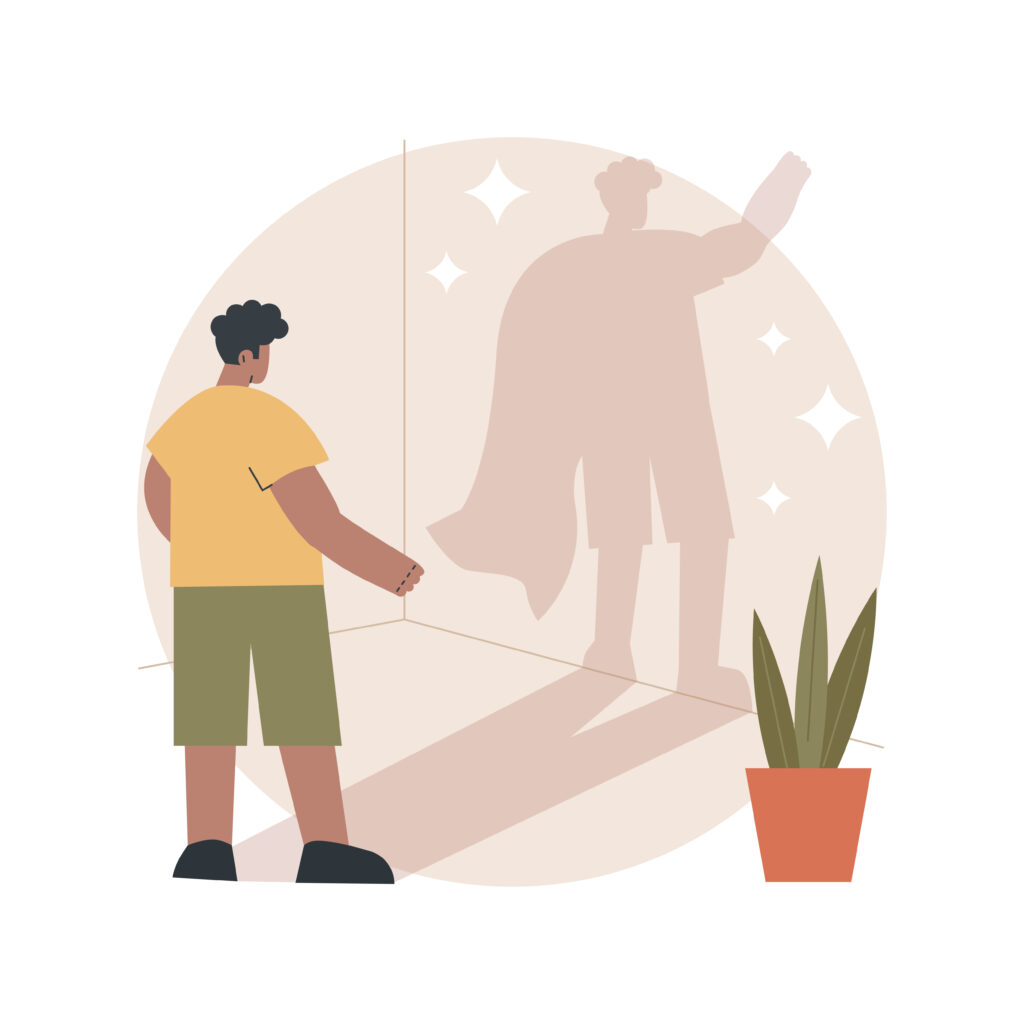
Unearthing Resilient Fragments: Strength Amid Childhood Trauma
When childhood trauma strikes, it’s normal to feel overwhelmed and shattered. But within those broken puzzle pieces, there are fragments of resilience waiting to be uncovered. Just like finding missing puzzle pieces, survivors of childhood trauma can tap into their inner strength and start rebuilding their lives.
Resilience can come from different sources. Having someone who cares, like a trusted family member, friend, or therapist, can make a big difference. Their support creates a safe space where survivors can find strength. Discovering personal interests, talents, or hobbies can also ignite a sense of purpose and joy, helping survivors reclaim their identity.
Connecting with other survivors or support groups can provide a sense of belonging and understanding. Sharing experiences and learning from others’ journeys can inspire and empower survivors on their healing path.
The process of discovering resilience is not always straightforward. There may be setbacks and doubts along the way. However, with self-compassion and perseverance, survivors can continue to uncover their inner strength.
As survivors embrace their resilience, they reshape their narratives. They realize that their past trauma doesn’t define them, but their ability to heal, grow, and thrive. Each step towards self-discovery and resilience brings them closer to a stronger sense of self and a brighter future.
It’s important to remember that resilience is not something reserved for a few. It exists within all of us, waiting to be awakened and nurtured. By recognizing and cultivating our inner strength, we can rebuild our lives, piece by piece, and inspire others to embark on their own journey of healing and transformation.
In the face of childhood trauma, we must remember that we have the power to rebuild, to find resilience within ourselves, and to create a future filled with hope and possibility.
Healing the Puzzle: Rebuilding Lives after Childhood Trauma
Healing from childhood trauma is like solving a puzzle. It’s a personal journey that takes time and effort. Survivors need support from trusted people or support groups to guide them along the way.
Building healthy relationships is important. Being around caring and understanding people helps survivors feel supported and connected. They can share their feelings and experiences, which makes healing easier.
Taking time for self-reflection is crucial. Survivors need to face their pain, understand their emotions, and recognize how trauma has affected them. By doing this, they can start to let go of negative thoughts and behaviours.
Learning healthy ways to cope is also important. Techniques like mindfulness, writing in a journal, or doing art can help survivors manage stress and find inner peace.
Being kind to oneself is a big part of healing. Survivors often blame themselves and feel ashamed. Practicing self-compassion means being kind, forgiving, and loving to oneself. It helps survivors let go of self-judgment and embrace self-love.
Changing negative beliefs is a necessary step. Childhood trauma can make survivors believe negative things about themselves. By questioning those beliefs and replacing them with positive ones, survivors can create a more positive mindset.
Healing is a journey with ups and downs. Survivors need to take care of themselves by setting boundaries, practicing self-care, and focusing on their well-being. This helps them stay strong and keep going so as to rebuild and create a new narrative. It’s a journey of self-discovery and growth, where survivors find strength, love, and joy in their lives again.
Embracing Imperfect Pieces: Beauty and Resilience after Childhood Trauma
As survivors heal, they start to put the puzzle pieces of their lives back together. Each piece represents their strength and resilience. The healing process isn’t about being perfect; it’s about embracing imperfections and finding beauty in them.
In puzzles, imperfections are not seen as mistakes but as unique qualities. The beauty lies in the different colors, shapes, and textures of each piece, coming together to create something special.
Similarly, healing from childhood trauma means embracing imperfections and understanding that scars don’t define us. They show our resilience. By being open and acknowledging our past, we can find beauty in the imperfect puzzle of our lives.
Summary
Childhood trauma leaves deep marks, but it doesn’t have to control our lives. Like rebuilding a puzzle, we have the power to reshape our broken pieces into a picture of resilience, strength, and growth. By embracing the fragments of resilience and putting them together with care and compassion, we create a new story that shows our ability to heal and thrive.
Healing from childhood trauma is not a straight path, and it can be challenging. But remember, you are not alone. Reach out to trusted people, join support groups, and consider therapy as you start your healing journey. Together, we can heal, grow, and inspire others to embrace their resilience, rebuilding their broken puzzles into a picture of hope and strength.
You are also always welcome to contact me to see if I might be able to support you as you journey forward.
Updated on April 5, 2026 to include the ACE Study (Adverse Childhood Experiences). This post now offers a complete guide to understanding and healing from childhood trauma.
[Photo credit: Freepik.com]