
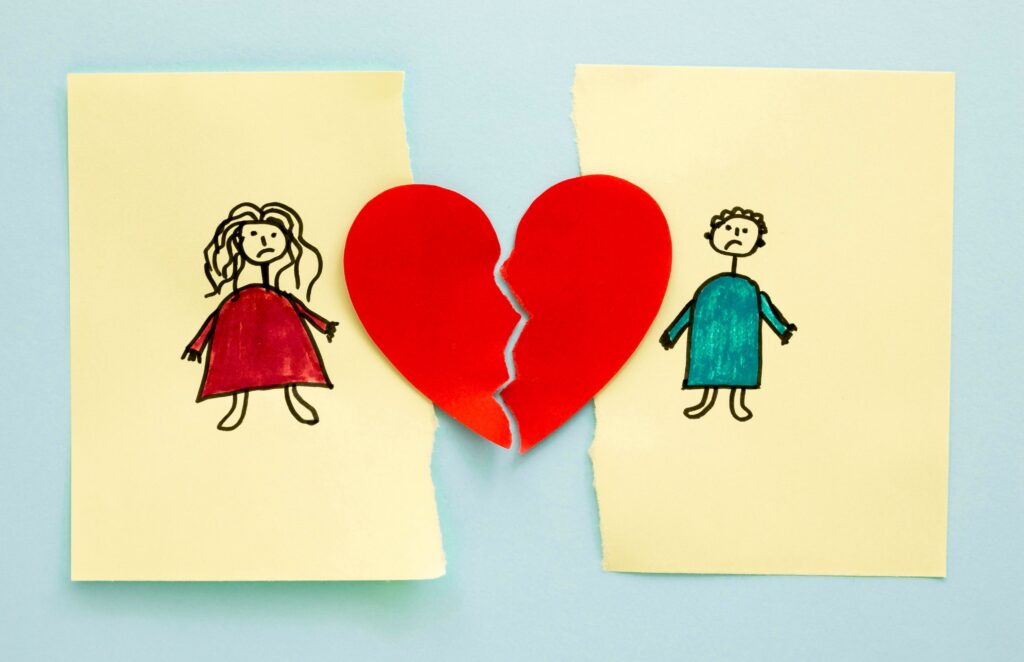
When we think about the ways childhood trauma shapes our lives, we often think about anxiety, depression, or difficulties at work. But one of the most profound—yet overlooked—impacts of childhood trauma is how it shows up in romantic relationships.
If you’ve ever wondered why intimacy feels unsafe, why you keep ending up in the same kind of relationship, or why emotional closeness sometimes triggers fear or shutdown—you are not alone. And you are not broken.
As a trauma therapist based in Singapore, I’ve worked with many individuals who carry the weight of unresolved childhood trauma into their adult relationships. With compassion, clarity, and the right support, healing is absolutely possible.
What Is Childhood Trauma?
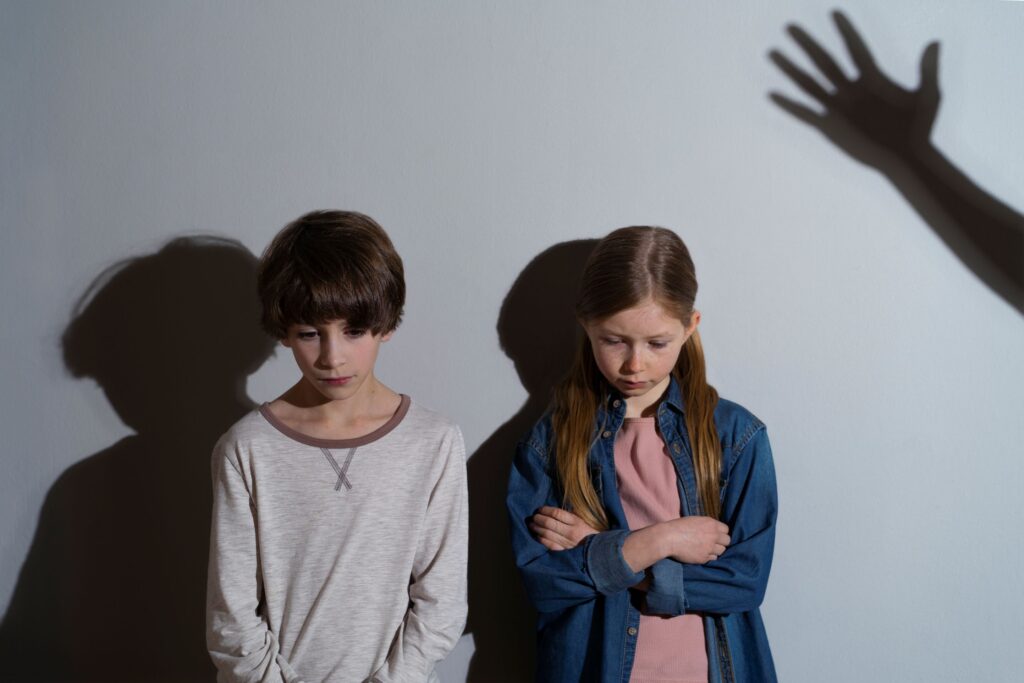
Childhood trauma refers to any distressing experience in early life that overwhelms a child’s ability to cope. This could include:
– Physical, emotional, or sexual abuse
– Neglect or abandonment
– Witnessing domestic violence
– Having a caregiver who struggles with mental illness or addiction
– Growing up in an unpredictable or unsafe environment
Trauma isn’t always dramatic or obvious. Even seemingly “small” things—like constant criticism, emotional invalidation, or being left alone for long periods—can leave deep psychological imprints.
How Childhood Trauma Shows Up in Romantic Relationships
Romantic relationships tend to activate our deepest attachment patterns. If your earliest relationships (usually with parents or caregivers) were unstable, neglectful, or frightening, your adult romantic relationships can start to reflect those unresolved dynamics.
Here are a few common ways childhood trauma affects relationships:
Fear of Abandonment
You might constantly worry your partner will leave you—even if there’s no clear reason to believe that. This can lead to clinginess, people-pleasing, or sabotaging behaviors aimed at preventing rejection.
Difficulty Trusting
If your trust was broken early in life, it’s natural to carry that mistrust into adulthood. You might find yourself doubting your partner’s intentions or struggling to open up emotionally, even when you desperately want connection.
Emotional Shutdown or Avoidance
Some people react to emotional triggers by withdrawing or shutting down. You might feel numb, disconnected, or overwhelmed during conflict. This can create distance and confusion in your relationship.
Repetition of Old Patterns
Unresolved trauma often leads to repetition compulsion—a tendency to recreate familiar (yet painful) dynamics in new relationships. For example, if you grew up with a critical parent, you might unconsciously seek out partners who are emotionally unavailable or harsh.
You’re Not “Too Much” or “Too Broken”
Trauma is not your fault, and neither are your survival strategies. You did what you had to do to stay safe. But now, those same strategies might be getting in the way of the love and connection you deeply crave.
Whether it’s shutting down, lashing out, or losing yourself in a partner—these patterns make sense when we understand them through the lens of childhood trauma. And the good news is: what was learned can be unlearned.
Healing from Childhood Trauma in Relationships
So how do you start healing from childhood trauma, especially when it’s affecting your love life?

Recognize the Patterns
Awareness is the first step toward change. Start noticing the emotional reactions and behaviours that feel out of proportion or familiar from childhood. Journaling, therapy, or mindfulness practices can help you begin noticing these patterns.
Work with a Trauma-Informed Therapist
Healing trauma requires safety and connection. Approaches like EMDR (Eye Movement Desensitization and Reprocessing) or CBT (Cognitive Behavioural Therapy) can help you process painful memories and build healthier thinking and coping patterns.
EMDR, for example, allows the brain to reprocess traumatic memories so they no longer carry the same emotional charge. CBT helps clients challenge and shift distorted beliefs like “I’m unlovable” or “I will always be abandoned.”
Practice Self-Compassion
Healing isn’t linear, and setbacks are part of the process. Be kind to yourself. You’re learning new ways of being, and that takes time, courage, and patience.
Communicate with Your Partner
Talk about your trauma and let your partner in on your journey if you feel safe doing so. You don’t have to share every detail of your past, but helping them understand your triggers can build intimacy and reduce misunderstandings.
Example: “Sometimes I get really anxious when we don’t talk for a while. It’s not that I don’t trust you—I’m working through some old fears from childhood.”
Establish Boundaries
Boundaries aren’t walls—they’re a form of self-respect. They protect your healing and allow space for genuine connection. You have the right to say no, take space, or walk away from relationships that are not supportive or safe.
Building Healthy Relationships After Childhood Trauma
Healing doesn’t mean you’ll never get triggered again. You’ll begin to respond with awareness rather than fear. You’ll start to feel a sense of safety in your body—and in your relationships. And you’ll learn to connect with others without losing your sense of self.
Here’s what healing can look like:
– Feeling more secure and less anxious in relationships
– Expressing your needs and emotions without fear
– Choosing partners who are kind, respectful, and emotionally available
– Developing resilience during conflict instead of spiraling
Final Thoughts: You Deserve Safe, Supportive Love
Childhood trauma can leave deep scars—but it doesn’t have to define your relationships. By facing your past with courage and getting the right support, you can break free from old patterns and create the kind of love that feels safe, secure, and fulfilling.
If parts of this resonated with you, you’re not alone—and healing is possible.
If you’d like support as you navigate your healing journey, you’re warmly welcome to reach out for a free 15-minute consultation.
I work with individuals navigating unresolved childhood trauma using EMDR, CBT, and attachment-based approaches. Whether you’re facing relationship struggles, emotional triggers, or recurring patterns that feel hard to shift, therapy can help you move toward greater clarity, connection, and self-trust.
📍 In-person sessions available in Singapore. Online therapy also offered for flexibility and comfort.
[Photos credit: freepik.com]